Reading
Helping Your Child Learn to Read: Gentle Tips for Ages 4–7
Learning to read is a big journey made of small steps. Here is how parents can help at home with sounds, letters, stories and a lot of encouragement, without turning it into pressure.
By Legacy Arrows Academy · · 5 min read
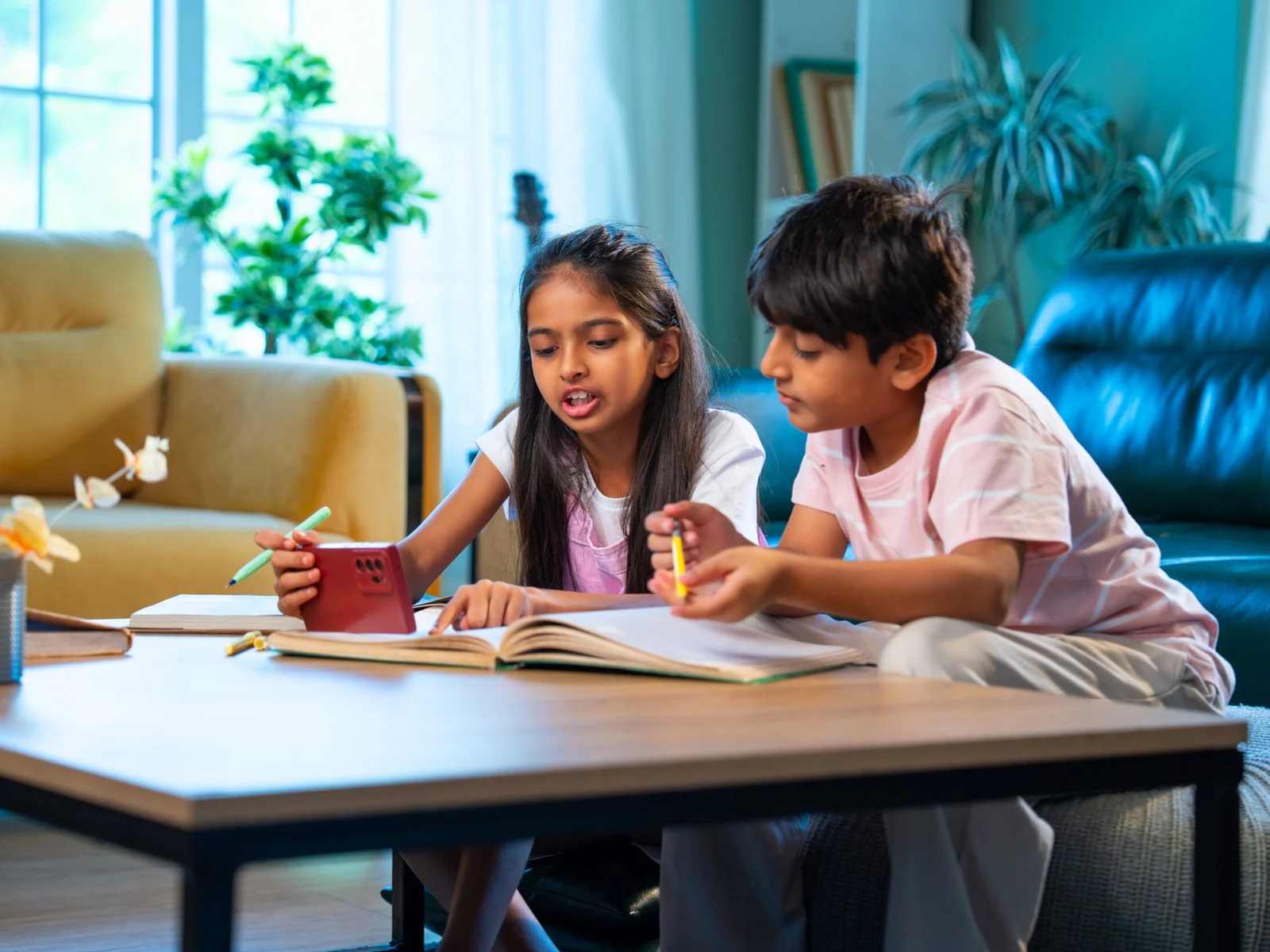
Few moments in childhood are as exciting as the day a child reads a word all by themselves. Behind that moment are many small steps: hearing sounds in words, knowing letters, connecting letters to sounds, and understanding that the marks on a page carry meaning. Parents can support every one of those steps at home, often in just a few minutes a day.
Children learn to read at different paces, and that's okay. The goal at home isn't to rush. It's to build a love of books and to practice the building blocks in playful, positive ways.
Read aloud every day
If you do only one thing, read aloud to your child daily. Reading together builds vocabulary, background knowledge and listening skills, and it shows children that books are a source of joy. Choose a mix: picture books, rhyming books, simple nonfiction about animals or space, and stories your child asks for again and again. Repetition is a feature, not a problem.
- Run your finger under the words now and then so your child sees that print goes left to right.
- Pause to ask “What do you think will happen next?” or “How do you think she feels?”
- Point out interesting new words and talk about what they mean.
- Let your child turn the pages and “read” familiar books to you from memory.
Play with sounds before letters
Before children connect letters to sounds, it helps if they can hear the sounds inside words. This skill is called phonological awareness, and you can build it with games that need no materials at all:
- Rhyming: “What rhymes with cat? Hat, bat, sat!” Silly made-up rhymes count too.
- Clapping syllables: clap once for each part of a word, like “ba-na-na.”
- First sounds: “I spy something that starts with /m/.” Use the sound, not the letter name.
- Blending: say sounds slowly, “/s/ /u/ /n/,” and let your child guess the word.
Learn letters through play
Children learn letter names and shapes best when the learning is hands-on. Write letters in sand or shaving cream, build them with playdough, find them on cereal boxes and street signs, and start with the letters in your child's own name, which are usually the most meaningful. Teach the sound along with the name: “This is M. It says /m/, like Mom and milk.”
Connect sounds and letters (phonics)
Once your child knows several letters and their sounds, they can start blending them to read simple words like “cat,” “sun” or “map.” Use magnetic letters on the fridge to build a word, read it together slowly, then change one letter to make a new word: cat, hat, hot, hop. This shows how words work and feels like a puzzle rather than a chore.
Your child's school will usually teach phonics in a planned order. Ask the teacher which sounds and words your child is practicing, so home practice matches classroom learning.
Practice “sight words” lightly
Some very common words, like “the,” “said” and “was,” appear constantly and are worth knowing quickly. Play short games with them: write a few on cards, hide them around the room, and read each one when it's found. Keep the set small and celebrate progress. Five words mastered is better than twenty half-known.
Make reading their own
Children read more when they choose what they read. Visit the library and let your child pick books, even ones that seem too easy or too hard. Easy books build fluency and confidence; harder books, read together, build vocabulary and curiosity. Comics, joke books and books about favorite topics like dinosaurs or trucks all count as real reading.
When your child starts reading to you
Beginning readers need patience. When your child gets stuck on a word, wait a few seconds before helping. Then offer a gentle prompt: “What sound does the first letter make?” or “Look at the picture, what would make sense?” If they're still stuck, simply tell them the word and keep going. The goal is to keep reading enjoyable and moving.
Praise specific efforts: “You sounded that word out all by yourself!” or “You went back and fixed it when it didn't make sense!” Specific praise teaches children what good readers do.
Write together too
Reading and writing grow together. Invite your child to make shopping lists, write cards to relatives, label drawings or keep a simple journal. Early spelling will be creative (“I luv mi dog”), and that's a healthy sign that your child is listening for sounds and matching them to letters. Celebrate the message first; correct spelling comes with time.
Keep it positive
Pressure can make reading feel like a test. Keep practice sessions short, end on a success and stop before your child is tired or frustrated. If reading time becomes a struggle, go back to reading aloud for a while and simply enjoy stories together.
When to ask for help
Every child develops differently, but it's wise to talk with your child's teacher if you notice ongoing difficulty with rhyming, remembering letter sounds, or blending sounds into words, especially if it runs in the family. Teachers can suggest targeted practice, and early support makes a real difference. If you have concerns about hearing or vision, check with your pediatrician as well.
Learning to read is a journey you get to share with your child. With daily stories, playful sound games and lots of encouragement, you're giving them not just a skill, but a lifelong love of books.