Choosing a school
How Online School Works for Young Children (and How to Choose One)
Can a five-year-old really learn online? What a good virtual school day looks like for young children, what parents do, and the questions worth asking before you enroll.
By Legacy Arrows Academy · · 5 min read
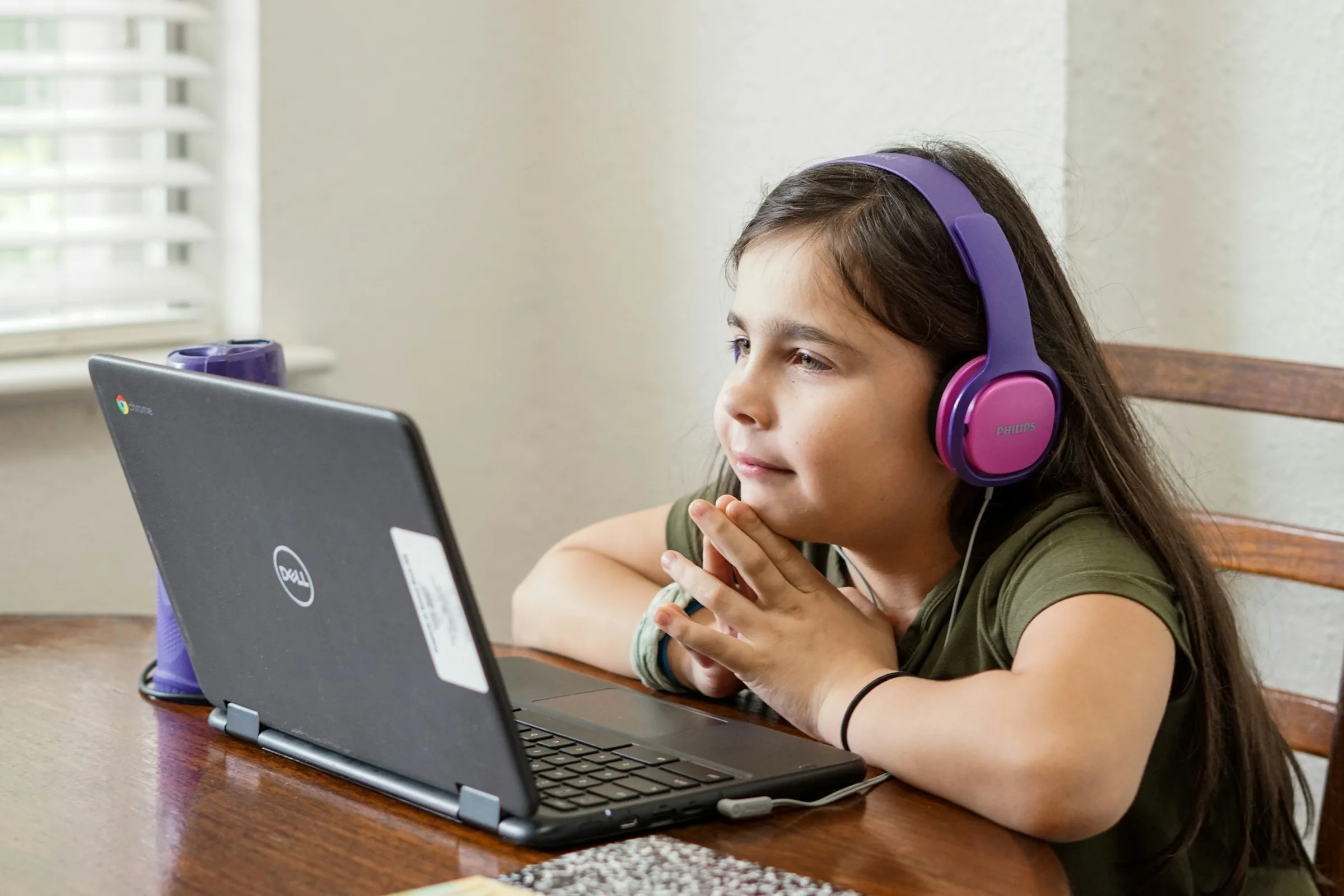
For many families, online school started as an emergency solution. Today it's a deliberate choice for families who travel, live far from a school they love, want a faith-centered or bilingual education, or simply want more flexibility. But parents of young children often wonder: can a kindergartner or second grader really learn well through a screen?
The answer depends a great deal on how the school is designed. This guide explains what a strong online program for young children tends to look like, what parents' role is, and how to compare your options.
Live teaching vs. self-paced programs
Online schools generally fall somewhere between two models. In a self-paced program, children work through recorded lessons and activities on their own, with a parent guiding them. In a live program, children meet with a real teacher and classmates at scheduled times, much like a traditional classroom.
Both can work, but young children usually benefit from real-time interaction. A live teacher can notice confusion, ask questions, encourage a shy child and keep the energy up. Classmates make learning social and fun. Many programs combine both: live lessons for core instruction, plus independent activities for practice.
What a good day can look like
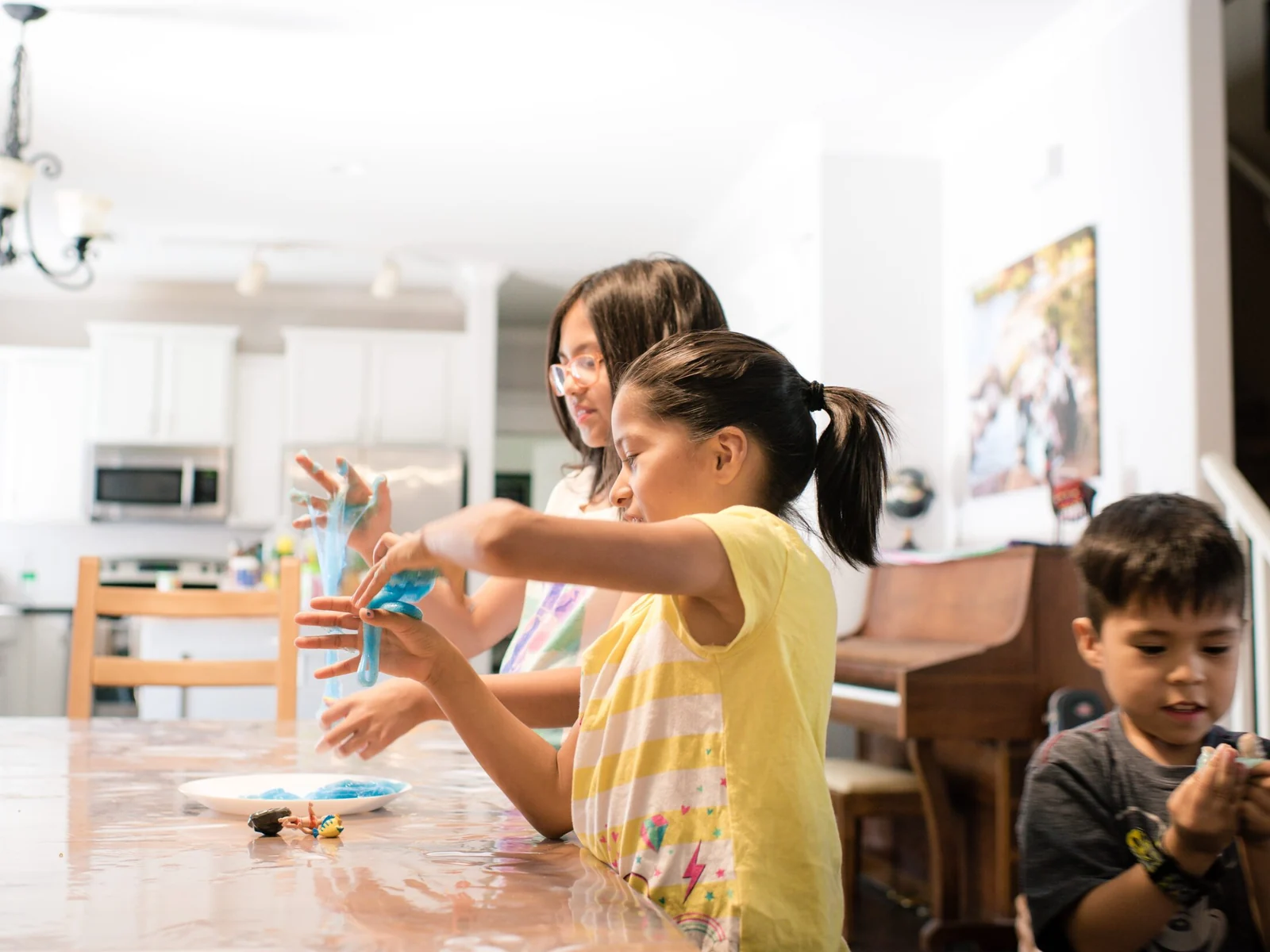
A thoughtfully designed online day for young children is not six hours in front of a screen. It's usually made of shorter live sessions with breaks for movement, snacks and hands-on work. A typical rhythm might include a morning meeting to greet classmates, short focused lessons in reading and math, hands-on science or art activities children do away from the screen, and plenty of breaks.
The parent's role
In online school for young children, parents are partners. Your role will usually include:
- Helping your child log in and set up for class, especially in the early weeks.
- Providing a quiet learning space and the materials for each day.
- Staying nearby during lessons for the youngest learners, without doing the work for them.
- Supporting practice at home, like reading together and short skill activities.
- Communicating with the teacher about how your child is doing.
As children grow more independent, often by second or third grade, many need less hands-on help and can manage much of their day on their own.
Technology: what you really need
Online school for young children usually needs less technology than parents expect. A reliable laptop or computer with a camera and microphone, a steady internet connection and a pair of child-sized headphones cover most needs. A tablet may work for some activities, but a full keyboard and a larger screen are often easier for writing and for seeing the teacher and classmates at the same time.
Before the first day, do a test run: log in, check the camera and sound, and practice muting and unmuting together. Write passwords somewhere safe for the adults. Small rehearsals like these make the first week far calmer for everyone.
Social connection online
A common worry is that online school will isolate children. Good programs work hard to prevent this: small classes, chances to speak and share, group activities, celebrations and friendly routines like greeting each other each morning. Children can and do form real friendships with classmates they see every day. Families can add in-person connection through church, sports, community activities, clubs and playdates.
Questions to ask before you enroll
When you compare online schools, these questions can help you see beyond the website:
- How much of the day is live with a teacher, and how much is independent work?
- How many students are in a class?
- How long are the live sessions, and how are breaks built in for young children?
- What curriculum do you use, and how do you track each child's progress?
- How often will I hear from the teacher, and how can I reach them?
- What does the school expect from parents each day?
- Is the school registered or recognized in our state, and how are records and report cards handled?
- What technology do we need, and is there help if something doesn't work?
- If language or faith matter to us: how are they part of the school day?
- Can we see a sample lesson or talk with current families?
Signs a program may be a good fit
Look for warmth and structure together. A teacher who knows your child by name, lessons designed for short attention spans, clear communication with families and a predictable schedule are all strong signs. It's also worth paying attention to how your child responds during a trial class or a virtual tour. Curiosity and enthusiasm are good indicators.
Possible challenges, and how families handle them
Online school isn't the right fit for every child or every season. Some children need more hands-on movement than a screen day easily allows; some families can't be available to help a young child during lessons. Being honest about your family's schedule, your child's temperament and your support system will help you decide. Many challenges can be eased with a good routine, a dedicated learning space and regular communication with the teacher.
Making the decision
Choosing a school is one of the most personal decisions a family makes. Visit, ask questions, talk with other parents, and trust what you know about your child. The right school will feel like a partnership: a place where your child is known, challenged and cared for, and where you feel welcome as part of the team.
If you're exploring live online learning for your child, we'd be glad to answer your questions and show you what a day at Legacy Arrows Academy looks like.