Math
Math in the Kitchen: Easy Ways to Practice Numbers While You Cook
Counting, measuring, fractions and patterns are all waiting in your kitchen. Simple, age-by-age ideas to turn everyday cooking into real math practice.
By Legacy Arrows Academy · · 5 min read
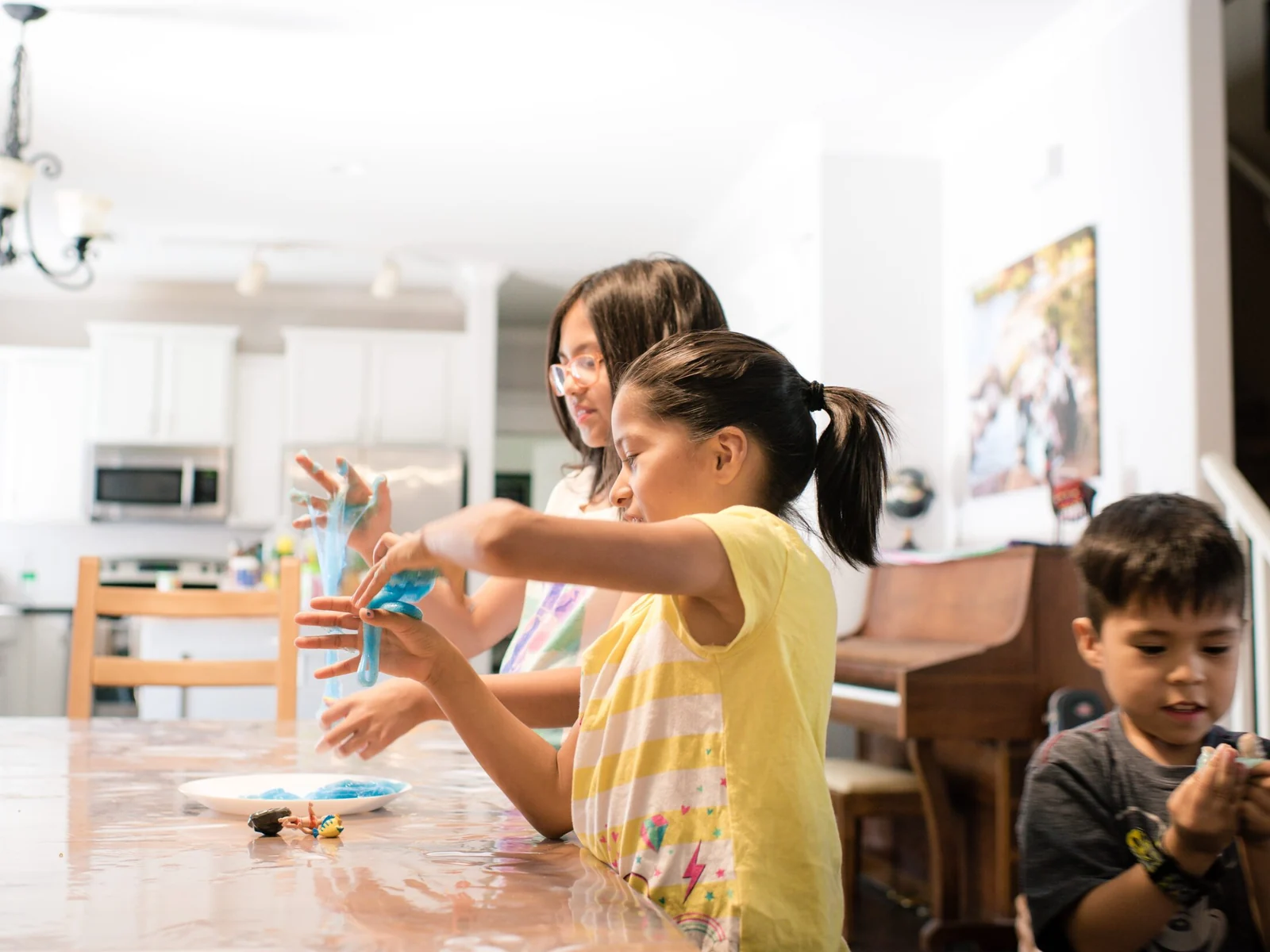
Ask a child what math is and you may hear “worksheets.” But math is everywhere in daily life, and few places are richer in numbers than the kitchen. Cooking together lets children count, measure, compare, estimate and solve real problems, with a delicious reward at the end. Best of all, it doesn't feel like extra homework.
Here are practical ways to bring math into the kitchen, organized from the youngest learners to upper elementary.
Before you start: safety and setup
Choose tasks that fit your child's age and keep sharp knives, hot surfaces and appliances in adult hands. Young children can wash vegetables, stir, pour, tear lettuce, crack eggs into a bowl and arrange food on plates. Wash hands together, keep a step stool steady, and plan for a little mess. If anyone in the family has food allergies, keep those ingredients out of the activity entirely.
Ages 4–5: counting, sorting and shapes
For preschoolers and kindergartners, the kitchen is a counting playground. Focus on one-to-one counting (touching each item once as you count), sorting and noticing shapes.
- Count strawberries, crackers or spoonfuls out loud, touching each one.
- Sort fruit by color, size or type, then count each group and ask which has more.
- Set the table: “We need four plates. How many forks do we need?”
- Find shapes: round plates, square crackers, triangle sandwich halves.
- Make patterns on a plate: banana, berry, banana, berry. What comes next?
Ages 5–7: adding, taking away and measuring
As children start adding and subtracting, the kitchen gives them real reasons to do it. Use small numbers and real objects so children can see and touch the math.
- “You have 5 grapes and I give you 3 more. How many now?” Then count to check.
- “There are 8 cookies and we eat 2. How many are left?”
- Measure with cups and spoons: “We need 2 cups of flour. Let's count each cup.”
- Compare: “Which glass holds more water? How can we find out?” Pour and see.
- Use a kitchen timer to talk about minutes: “The muffins need 15 minutes. What time will that be?”
Ages 7–9: fractions, doubling and time
Fractions make much more sense when you can see them and eat them. Cut a pizza, a pancake or a sandwich into equal parts and talk about halves, thirds and quarters. Ask questions like: “If we cut the pizza into 8 slices and eat 3, what fraction is left?”
- Halve or double a recipe together: “The recipe uses 1 cup of milk. How much for a double batch?”
- Read measuring cups: which is bigger, ½ cup or ¼ cup? How many ¼ cups fill a ½ cup?
- Plan cooking time: “The cake bakes for 35 minutes and we put it in at 3:10. When does it come out?”
- Estimate first, then check: “How many raisins do you think are in this handful?”
Ages 9–11: ratios, money and planning
Older children can take on bigger problems. Let them plan a simple meal, write the shopping list and compare prices. Real money and real decisions make math meaningful.
- Scale a recipe for a different number of people, such as from 4 servings to 6.
- Compare prices: is the big box or the small box a better value per ounce?
- Stay within a budget for a family snack or picnic.
- Convert between units, such as teaspoons and tablespoons, or ounces and cups.
- Use ratios in drinks or doughs: “2 parts water to 1 part juice.”
Quick kitchen math games for any day
Not every day has time for cooking together. These short games take a minute or two and fit around meals, snacks and cleanup:
- Guess and check: “How many spoonfuls of rice are in this cup?” Write down guesses, then count.
- Fair shares: give your child a plate of crackers and ask them to share them equally among the family. What happens if there are leftovers?
- Shape hunt: who can find three cylinders in the pantry first? (Cans, glasses, a rolling pin.)
- Heavier or lighter: hold two items, guess which is heavier, then check with a kitchen scale if you have one.
- Pattern placemat: line up spoons and forks in a pattern and let your child continue it.
Short, playful moments like these keep numbers part of everyday family life, which is exactly where confident math thinkers are made.
Talk about the thinking, not just the answer
The richest learning happens when you ask your child to explain: “How did you figure that out?” “Is there another way?” “How could we check?” Explaining their reasoning helps children understand math deeply, and it shows you exactly where they might need help.
Use mistakes as part of the recipe
Sometimes a measurement goes wrong and the pancakes come out thin, or the cookies spread too much. That's a perfect chance to ask, “What do you think happened?” Real problems with real consequences teach children that math matters, and that mistakes are how we learn.
Make it a family habit
You don't need to turn every meal into a lesson. One or two short math moments while cooking each week, kept light and fun, will build number sense over time. Children who see math in everyday life tend to feel more confident about it at school, too.
So next time you're in the kitchen, invite your child in. Hand them the measuring cup, ask a question or two, and enjoy the results together. Math has never tasted so good.